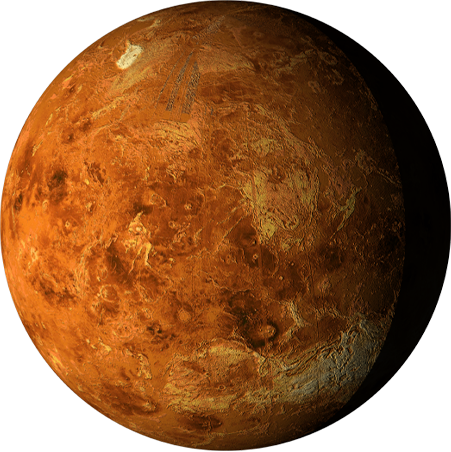
VENUS
Venus is the second planet from the Sun. It is a rocky planet with the densest atmosphere of all the rocky bodies in the Solar System, and the only one with a mass and size that is close to that of its orbital neighbour Earth.
Gravity: 8.87 m/s² Radius: 6,051.8 km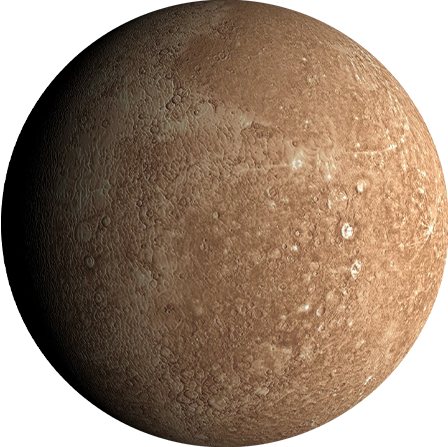
MERCURY
Mercury is the first planet from the Sun and the smallest planet in the Solar System. It is a terrestrial planet with a heavily cratered surface due to the planet having no geological activity and an extremely tenuous atmosphere.
Gravity: 3.7 m/s² Radius: 2,439.7 km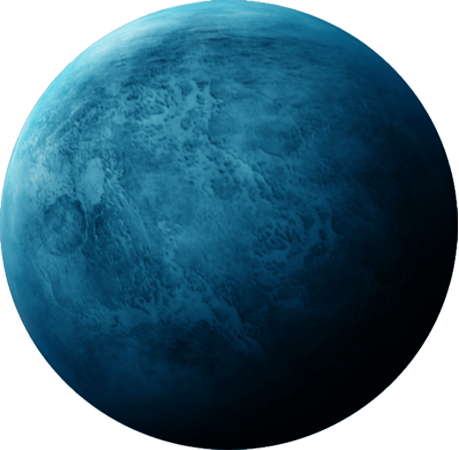
NEPTUNE
Neptune is the eighth planet from the Sun and the farthest known planet in the Solar System. It is the fourth-largest planet in the Solar System by diameter,the third-most-massive planet, and the densest giant planet.
Gravity: 4.9 m/s² Radius: 24,622 km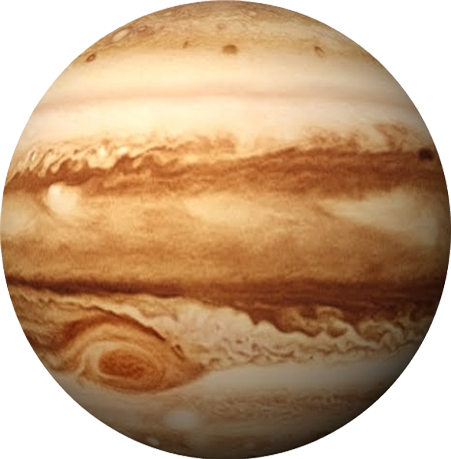
SATURN
Saturn is the sixth planet from the Sun and the second-largest in the Solar System, after Jupiter. It is a gas giant with an average radius of about nine and a half times that of Earth,It has only one-eighth the average density of Earth.
Gravity: 10.44 m/s² Radius: 58,232 km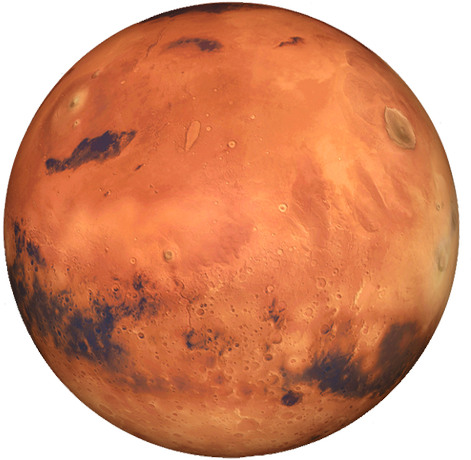
MARS
Mars is the fourth planet and the furthest terrestrial planet from the Sun. The reddish color of its surface is due to finely grained iron(III) oxide dust in the soil, giving it the nickname "the Red Planet".planets in the Solar System at 3,389.5 km.
Gravity: 3.71 m/s² Radius: 3,389.5 km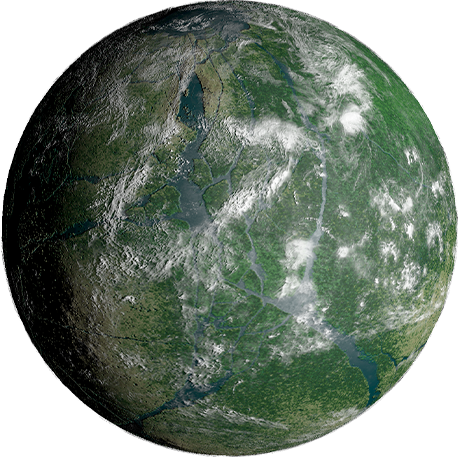
EARTH
Earth is the third planet from the Sun and the only place known in the universe where life has originated and found habitability. This is enabled by Earth being a water world, the only one in the Solar System sustaining liquid surface water.
Gravity: 9.807 m/s² Radius: 6,371 km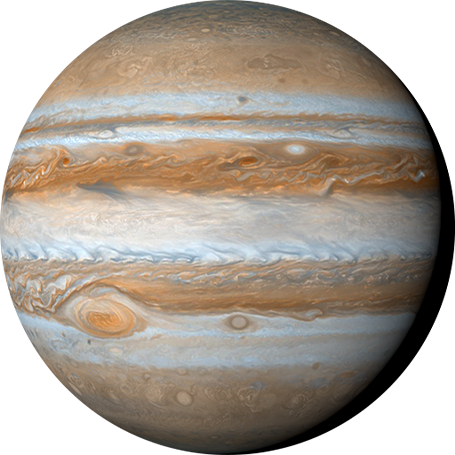
JUPITER
Jupiter is the fifth planet from the Sun and the largest in the Solar System. It is a gas giant with a mass more than two and a half times that of all the other planets in the Solar System ,slightly less than one-thousandth the mass of the Sun.
Gravity: 24.79 m/s² Radius: 69,911 km